
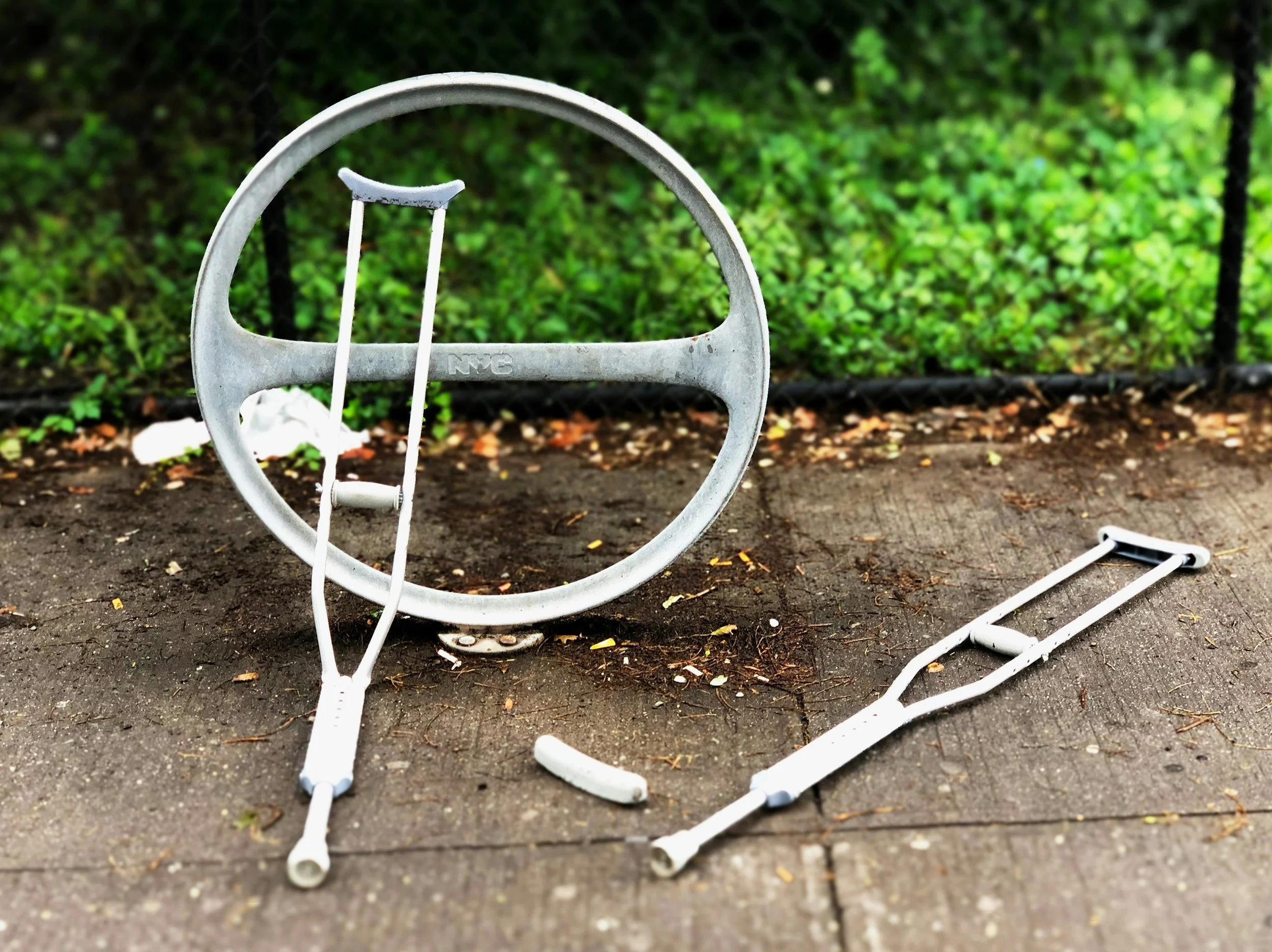
Crutches, Tics, and Placeholders
Do you know your writing crutches? Your placeholders? Everyone has some. These are the “defaults” that come automatically to you when you’re on a roll, writing away in a flow state, just getting the words on the page. They can be pet adjectives, or gestures or facial expressions that your characters use over and over, or dialogue patterns that you always use.
It’s fine. The purpose of first drafts is to get your story into a form that’s observable, rather than just drifting around in your imagination. But when you set out to refine your story, that’s when these habits need to get a good sharp look. Then you ask yourself (or your editor will put it to you) “Are these devices enhancing the experience of the story, or will their presence be distracting for the reader?”
Let’s take a look.

The speculative What If
What if?
The premises of a lot of memorable stories can reduced to a question that starts with “what if…” Read on to see how you can generate a story with this device.

How Fashionable is Your Writing?
How fashionable is your writing? Have you researched the fashions of your genres, and the fashions that cross genres in the writing industry? Read on for how fashions can help your book.

Welcome 2025! And Self-Editing Resources
Happy New Year!
Advertising Duck suggests that finding an editor can help you achieve your writing goals for the year.
Before you engage an editor though, self-editing is your next step after completing your manuscript!

Taking Action
When writing from close points of view, particularly first-person narration, it’s important to distinguish (in the author’s head) the differences between conscious motions and unconscious or involuntary movements.

Weasel Words and Waffling
It was Groundhog Day last week. I don’t have any editing stories about groundhogs, but I do want to talk about an arguably verminous aspect of writing: weasel words and waffling. Haven’t heard of these terms? Read on to find out.

When did you last update your resumé or CV?
For a lot of people, updating their resumé one of those chores that only gets done when it’s absolutely necessary; specifically, when they’re applying for a new job, or their current employer is re-working the company website and asks for their blurb. Procrastinators of the world, unite! Tomorrow.
BUT, did you know that the best time to update or re-work it is when you don’t have a pressing need? Here are the reasons why: